A DIVA REFLECTS
Toby Teitel
A DIVA REFLECTS
By TOBY TEITEL
The Diva is a symbol of contradiction, both revered and reviled, commanding and camp, divine yet deeply human. She materializes at the intersection of spectacle and substance, crafting an inspired self-fashioned persona that is both muse and mirror. I’ve felt her emerge in me like a forgotten prayer, evolving in the shadows, and reborn again with each new generation. In my exploration of the diva, I’ve encountered a mythology of aesthetic references that conjure up liberatory rhetoric. The visual language of zealous feminine glamour is an emphatic choice, one that may confront conformity. Her insistence on living life on her own terms fuels a fire that catches, sending waves of fanatical empowerment.
The role of the diva is both career and community; just her name on a flyer can fill a club. Diva has come to be a proper noun and pronoun in its own right, lending itself to such phrases as “That’s Diva’s cup” and “I swear to god if this Diva is late, I will never book her for another hosting gig in this city again!” She has risen to prominence, riding on the 3rd (or 4th?) wave of feminism all the way to positions of influence and cultural gravitas. Her unique blend of legendary elegance and traditionally masculine boldness threads the needle of emergent non-heirarchical power structures, being both an inherently oppressed femme and a dominaire of all living beings on Earth and beyond. I see the diva as a timeless archetype and a legacy rooted in eras of freedom and resistance alike.
Along my journey in becoming the diva, I’ve communed with the divine feminine and returned home to see the diva looking back at me all along. A diva with deep roots in New York City often finds themself adorned in an armor of accoutrement, racks of clothing and cases of beads begging to be cracked open. I grew up with a side of my bedroom occupied as an auxiliary spill-over closet for my grandmother, “Rica,” as we affectionately call her. In an unspoken ritual once a year, I would try on one of her cheetah print sweater dresses in the bathtub mirror. Just to confirm that it was NOT for me, and I didn’t need to try it again. The clothes looked all wrong on my long, lanky frame, and warning sirens blared in my mind before complete silence and peace reclaimed control, wiping the memory from my access. I wasn’t able to connect the dots between my annual full-body hair removal rituals and my affinity for my mom’s mascara until years later. These forays left me feeling uneasy, enmeshed in a Pavlovian training that teaches our society to associate these symbols and silhouettes as worthy of revulsion when paired with that signature transgender particularity.
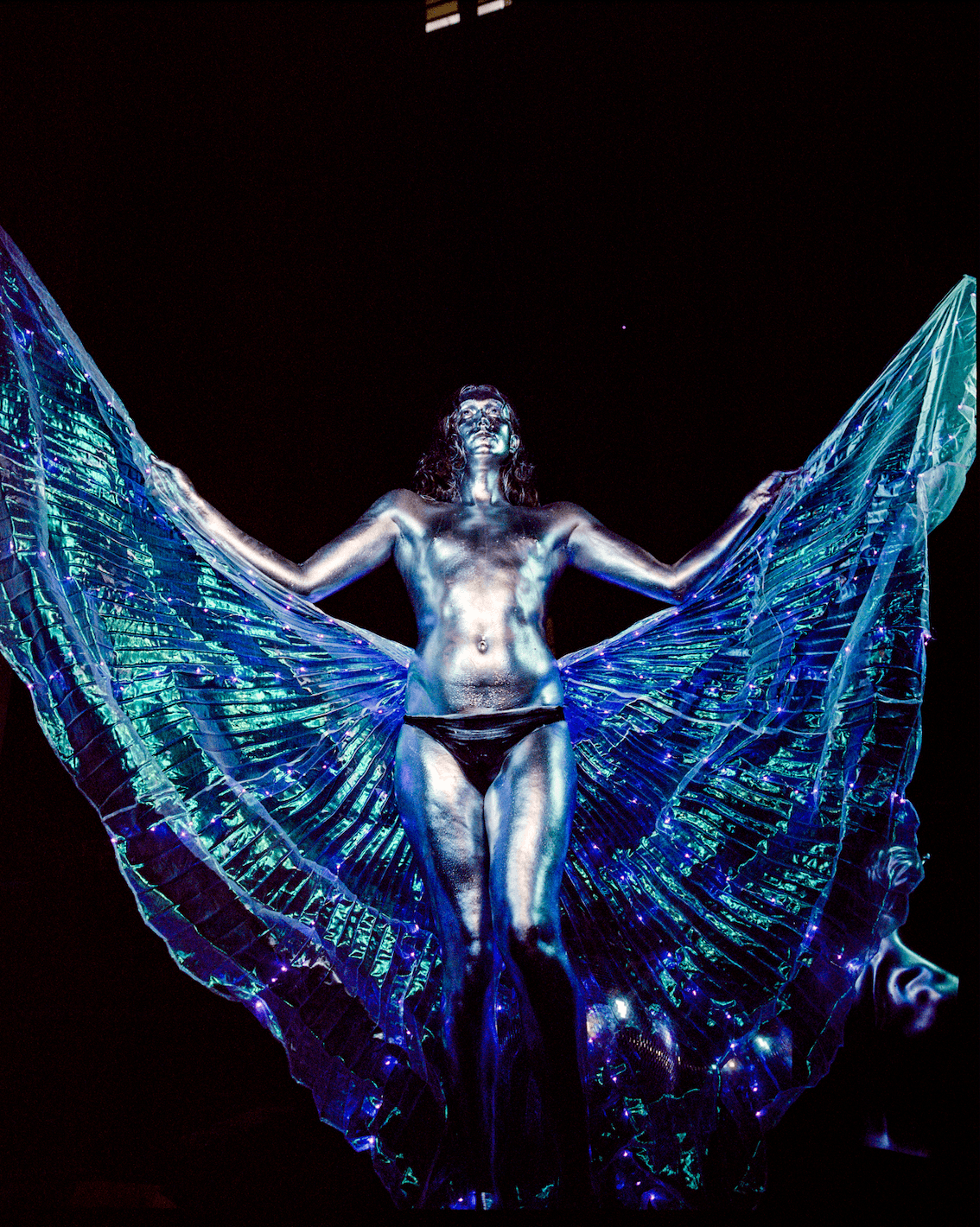
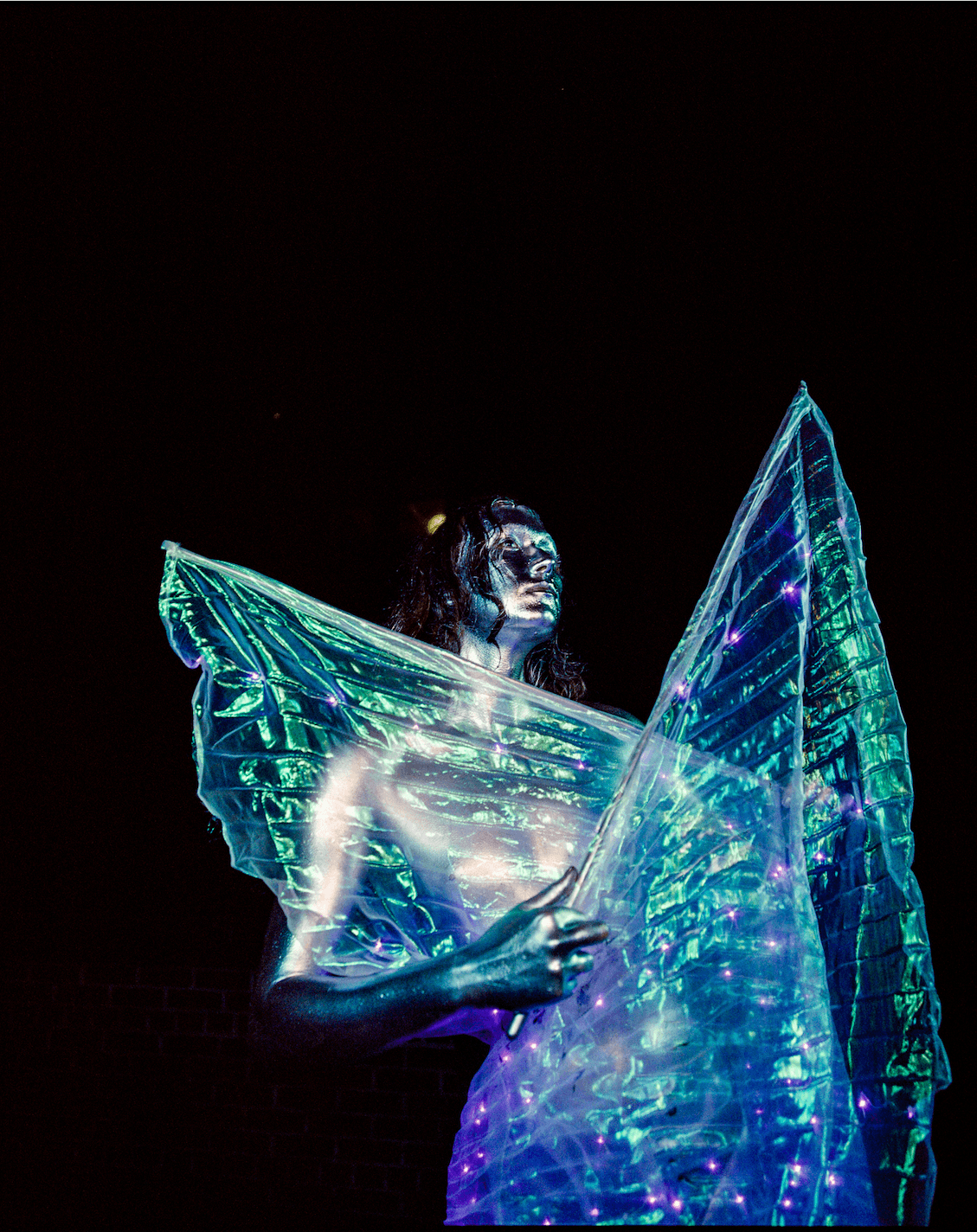
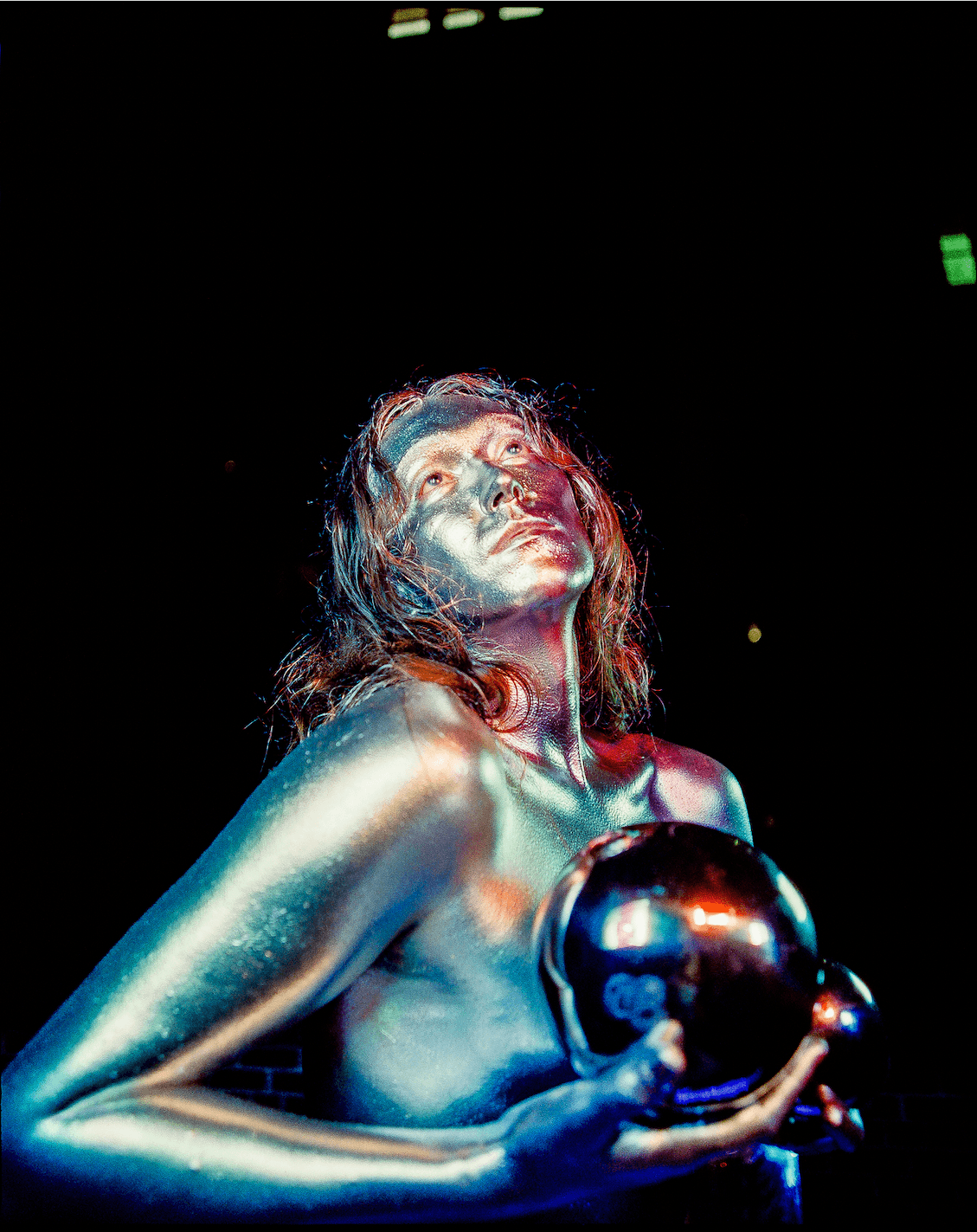
I knew what a diva looked like. She was my Rica, all dressed up to go to shul in her matching outfit and jamboree of jingling jewelry. I spent hours with my hand rubbing up and down her back, soothing her weary bones, while selfishly tousling her plush fur regalia. The daughter of a Transylvanian furrier, Rica was my original doll, replete with exchangeable rings and beads that expressed her uniqueness amidst the largely dour conservative Jewish community. I would get lost in her closet, touching every fabric, drinking in every glowing glimmer, until it was time to return home to my life of athleisure.
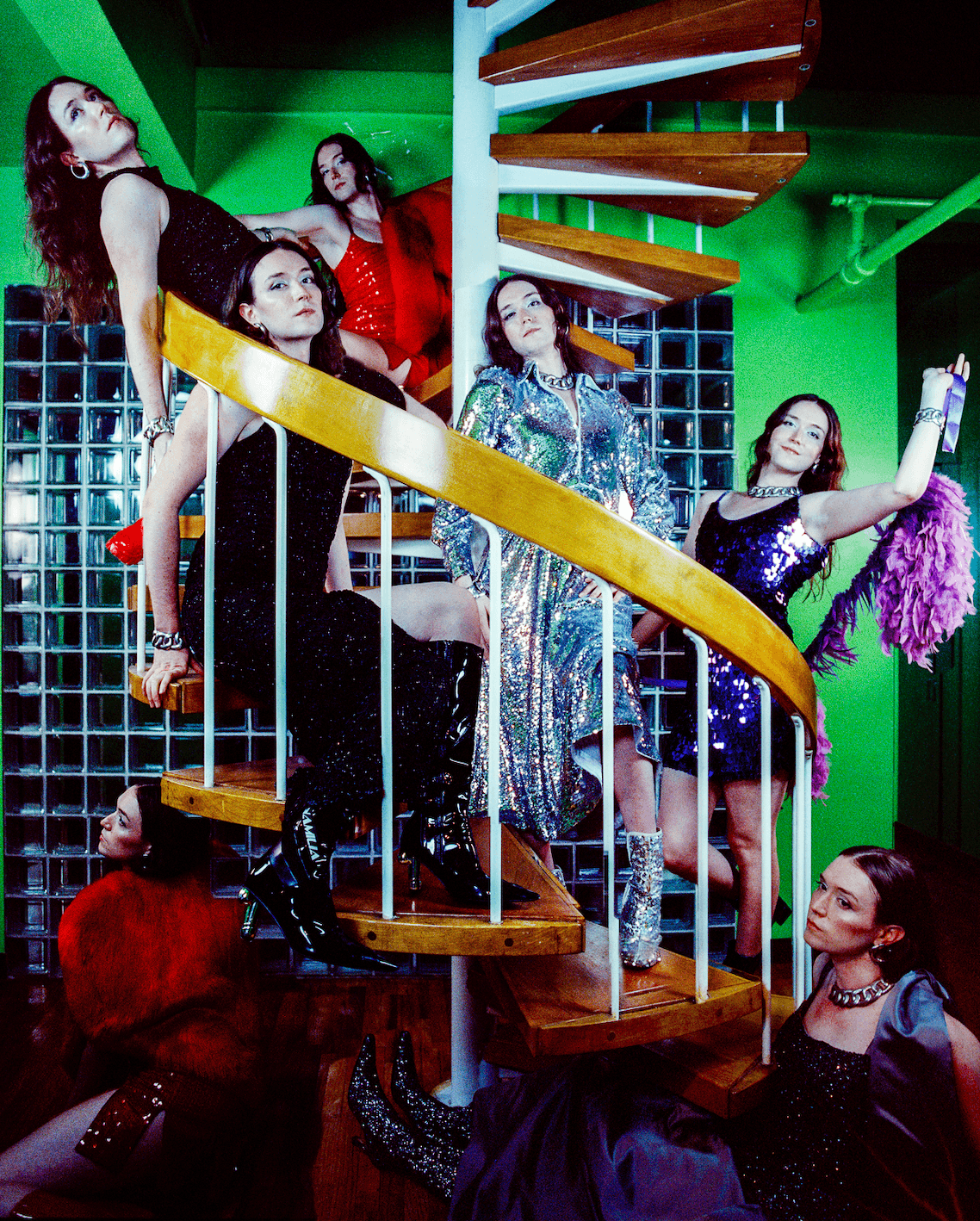
I got used to dressing up; as an eager young city kid, I knew it was my best chance of getting into clubs. Under the glimmer of the disco ball, I found refractions of myself in the outrageous club kids who wore stilts and writhed like sodomites at Dante’s fiery afterparty. Luckily, I never learned about hell in Hebrew School and felt the siren song of the artist’s way beckon to me. Sneaking in with the empire’s heiresses, I drank in the Kool-Aid of an ulterior reality that promised eternal youth and bliss greater than any status amidst the cobwebs of the ossified uptown crowd. In the demi-monde of Ladyfag’s Holy Mountain, gender lines blurred and a kaleidoscope of opportunity captured my attention. As an amateur voyeur, it was clear to me that this slice of life had transcended the rules of the outside world, and the associations that society had ingrained in me began to fall by the wayside. Nightlife became the premiere place to explore my identity, and I began to adorn myself with crystals, appliqués, furs, and boas. The transformation exhilarated my burgeoning diva. It was proof that I could change--if only for a night. Years later, after a ballsy DM and a boot camp of aesthetic refinement, I found my place in the scene as a Door Diva.
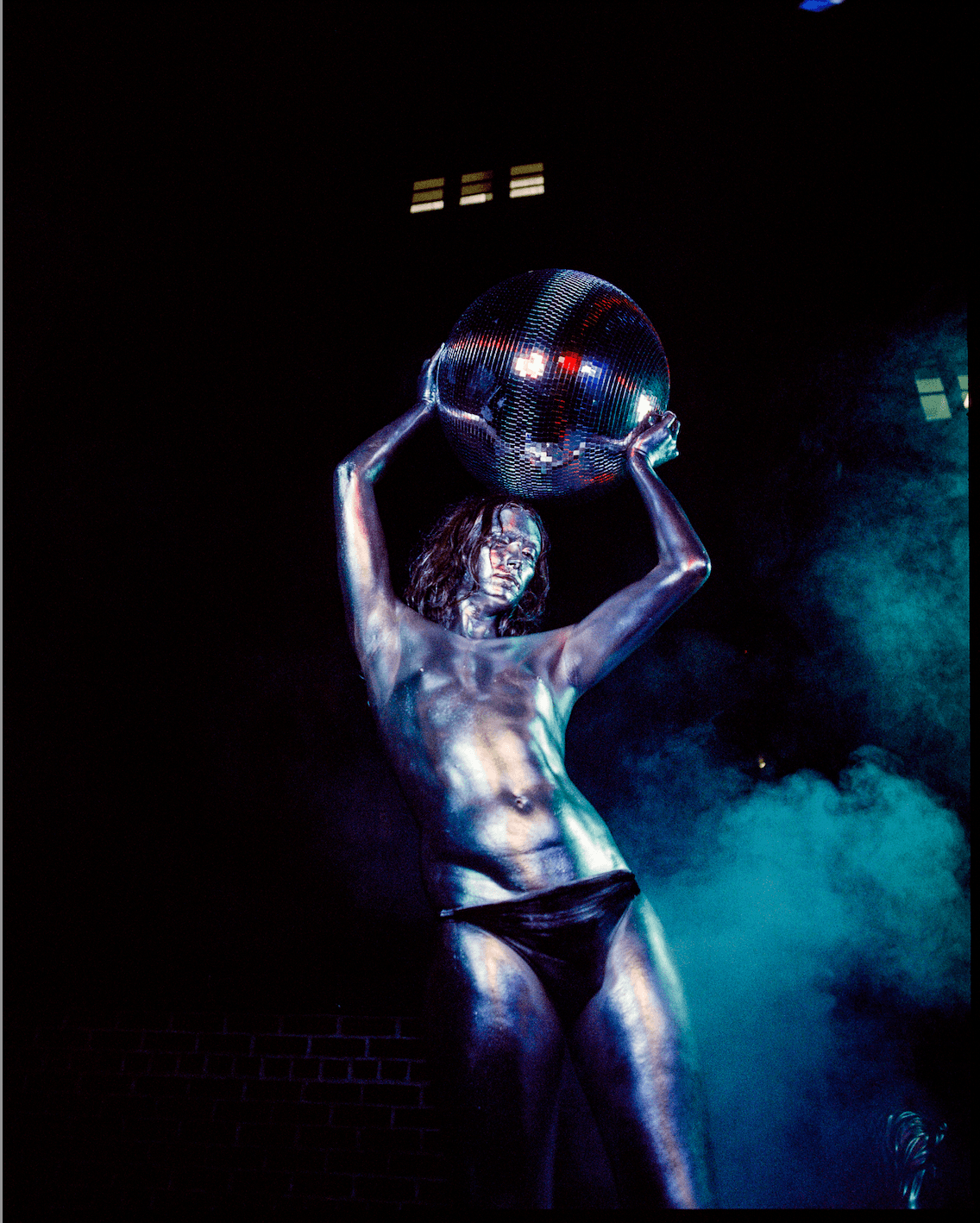
If you ask me what I do, I will say I am a fashion filmmaker, a culture critic, or an opining intellectual, but nothing has lifted me up spiritually and financially like being a Door Diva. Affixed to the nightclub doorway, I found myself as the gatekeeper of connection, fertility, and bacchanalia. Encrusted in beads and baubles, sequins and silver chains, I transformed into an emblem of freedom and femininity, a statuesque ladylikeness of liberty. I tread the line between my official title of Door Host and my informal roles of vibe checker, conflict resolver, bottle service technician, and private sector enforcer of cultural reparations. I stood there as a towering trans totem, hung like a neon sign, painted and posed like a doll on a shelf. In the nightlife trend cycle, a club could anticipate it would pass through a phase of being underground and underpaid, followed by being notorious and overexposed, before ultimately witnessing its demise having achieved peak cheuginess. My role, should I choose to accept it, was to help the club ride the sweet spot between stage one and stage two as long as possible, staving off the fatal third stage.
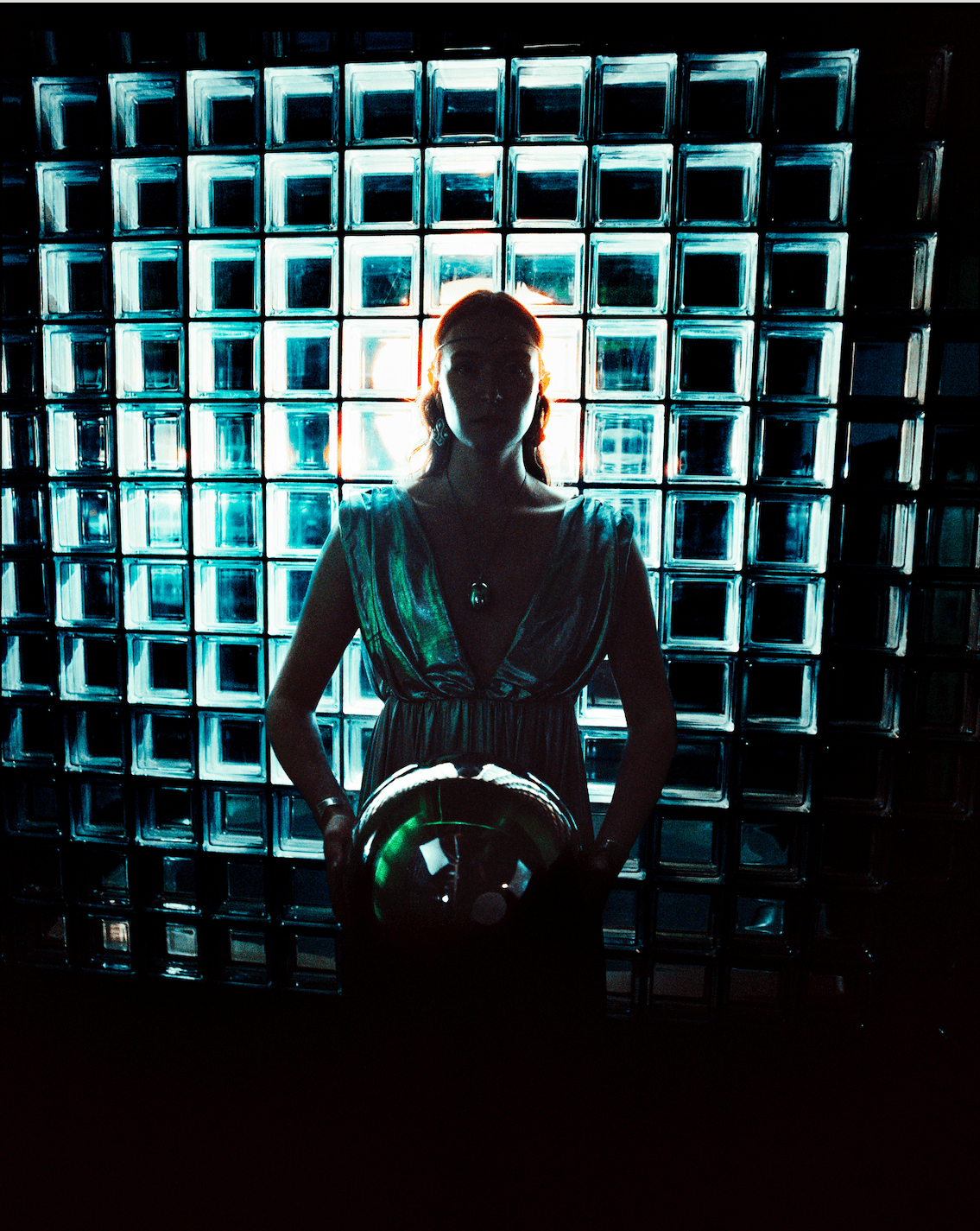
This role fit the contours of my identity, celebrating me for my uniqueness, style, and perspective. As a visibly gender non-conforming person in the early 2020s, institutions rented my social capital for the evening. A cool cat East Village cocktail lounge could have sought my touch to imbue an edge that it may otherwise be lacking from its Murray Hill yuppie crowd. After a summer of historic left-wing populist protests, I was enlisted to work at a queer-coded straight club that had become overrun with eager summer interns. With the flick of my wrist, POC lesbian couples skipped the line as if they’d been blessed with a flash pass at Six Flags. It should go without saying that an LGBT-Mary nary waited a millisecond under my watchful eye. While the Supreme Court deliberated over whether a web designer could refuse queer clients, I weighed judgment on the line for dress code infractions. I sent boys home for the crime of wearing pastel shorts and boat shoes, a uniform that was deemed as hostile to the progressive values that the time and place cultivated. In true diva fashion, I was able to escape the wrath of the backlash, flanked by security guards who enforced our system of deliberation. In our quieter moments, my closest confidants in security and I debated the ethics of our microcosm, settling on glib affirmative phrases to assuage our guilt. Under the moonlight, we stoked our human egalitarian instinct while allowing the tricky nuance of curation to take center stage.
Fresh out of pandemic lockdowns, New York City experienced a once-in-a-lifetime nightlife boom in which an oversupply of eager young men met a limited supply of clubs and venues where women had seized control of the market. At this moment in the tug of war between the sexes, this diva found her place at the door as a protector of women’s safety and curator of their prospects for the night. In my gender fluidity, I corralled the boys and girls together so they could dance comfortably and maybe even fall in love. I’ve accepted this auxiliary role as matchmaker to my milieu and am glad to be able to spread love while on the clock. This work felt like an ancient rhyme that connected me with pre-colonial presentations of third gender divas who played the role of union blessers and party planners. While I questioned the feasibility of finding a nice boy for myself in those twilight hours, I never centered male conquest on the clock. My work was sacred to me, and the responsibility to serve gave structure to the long nights.

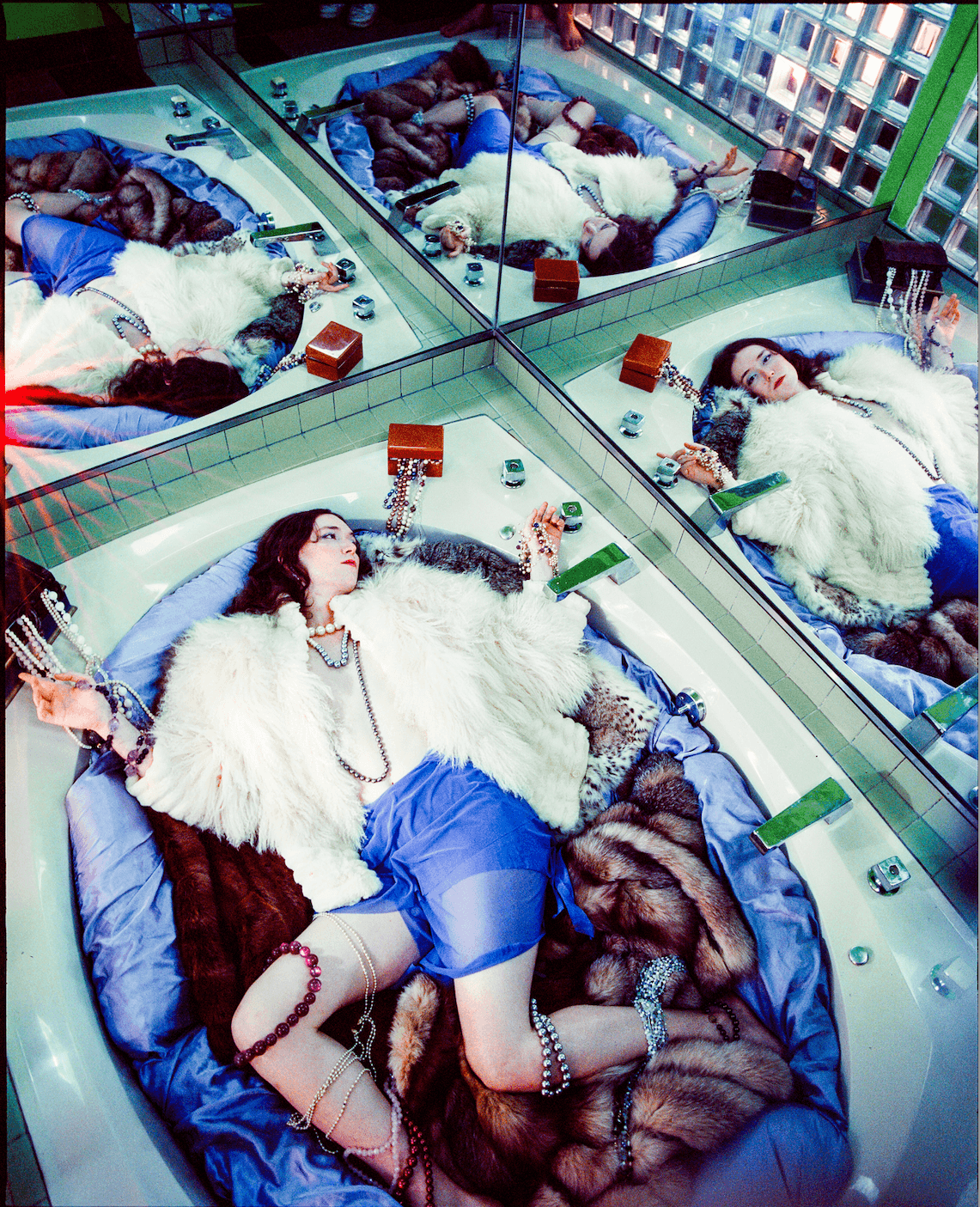
I ran that door like a pledge master in a fraternity house as I expertly facilitated the flow of bodies to the bar and dance floor. People would say things to me like “Wow, how does it feel having all the power over the line tonight?” and I would laugh and say I didn't care because they were all mostly straight people who I didn't really know. Other than the regulars I grew to adore, those busy nights spun thousands past me like a revolving door. I cared much more for the moments of connection with the downtown fashionistas who would strut past my post and blow me a kiss. In those moments, facades fell, and the stark reality of my employment was evident as I was a kept bird of paradise. Beneath the layers of sequin body armor, I was vulnerable in a way only a dandy or diva could see. We saw each other as dissidents to an existential threat of homogeneity that exalted the uniformity of the light-wash denim, white t-shirt girl. Within that harmless fashion trend lies a truth about the ongoing transformation of New York City into a corporate-coded college campus. Our camp sensibilities signaled an old-world New York, in which artists lived in squats on that very East Village block, alchemizing imagination and belonging into works of fine art and community organizing.
As New York changes again and again, we set our sights on a consolidated federal threat that seeks to criminalize our existence on charges of indecent dress and moral offense. The visual language we wear signals a common understanding of the bliss of permissiveness in the false dichotomy between freedom and fascism. In these trying times, we invoke our trans-cestors’ legacy, burned in the destruction of Magnus Hirschfield’s Institute for Sexual Science. This Berlin-based institute was the first research center in the world that studied LGBT lives in 1919; consequently, the site of one of the first Nazi book-burning campaigns. In the few photos that survived, one can see a shared visual language of ironic glamour, pearls, and poufs. In the explosive light of an old-fashioned powder flash camera, Hirschfield’s divas are immortalized on the page and in the collective imagination. Over a century later, I, too, knowingly gaze into the camera lens, delivered to the world on shiny gloss magazine paper. The life cycle of the diva can be understood as cyclical, like a phoenix rising from the ashes, ultimately settling down to weave a nest of cultural artifacts and legacies. Transmitted through birth or chosen family alike, we are revived in our time and serve as beacons of light in the fight for freedom.